Estimated reading time: 8 minutes
Key Takeaways
- Abaqus requires high-performance CPUs and ample RAM for serious simulation tasks; hence, consider specs before choosing a laptop.
- Top choices for the best laptops for Abaqus in 2026 include Dell Precision 5690, Lenovo ThinkPad P1 Gen 7, and HP ZBook Fury 16 G11.
- Look for laptops with at least 64GB RAM, a robust cooling system, and efficient storage solutions to manage large models effectively.
- Brands like Intel and AMD excel in CPU performance, while NVIDIA offers reliable GPU options for enhanced visualization tasks.
- Invest in a mobile workstation with upgradeable components to ensure long-term capability for engineering simulations.
Table of contents
Powerful, reliable machines for serious simulation work If you’re searching for the best laptops for Abaqus, finding the right device is essential for optimal performance.
If you’re running Abaqus, you already know this isn’t casual software. This is real engineering territory—large assemblies, complex meshes, long solve times, and zero patience for weak hardware. The wrong laptop will waste your time. The right one will quietly power through simulations while you focus on results.
This guide breaks down the best laptops for Abaqus in 2026. No fluff. No marketing talk. Just practical advice, real-world configurations, and honest pros and cons.
What Actually Matters for Abaqus
Before jumping into specific models, let’s get something straight: Abaqus is CPU-heavy. GPU helps in visualization and certain acceleration scenarios, but your processor and RAM are the backbone.
Minimum vs Recommended Specs
| Component | Minimum (Students) | Recommended (Engineers & Professionals) |
|---|---|---|
| CPU | 6–8 cores | 12–24 high-performance cores |
| RAM | 16–32 GB | 64–128 GB |
| Storage | 512GB NVMe SSD | 1TB–2TB NVMe SSD (Gen 4 preferred) |
| GPU | Integrated / RTX 4050 | RTX workstation or high-end RTX GPU |
| OS | Windows 11 | Windows 11 Pro or Linux |
If you’re solving large nonlinear models or running multiple jobs, 64GB RAM should be your starting point—not your upgrade plan.
Top Laptops for Abaqus in 2026
Below are the most capable and up-to-date machines that handle simulation workloads without thermal throttling or stability issues.
1️⃣ Dell Precision 5690
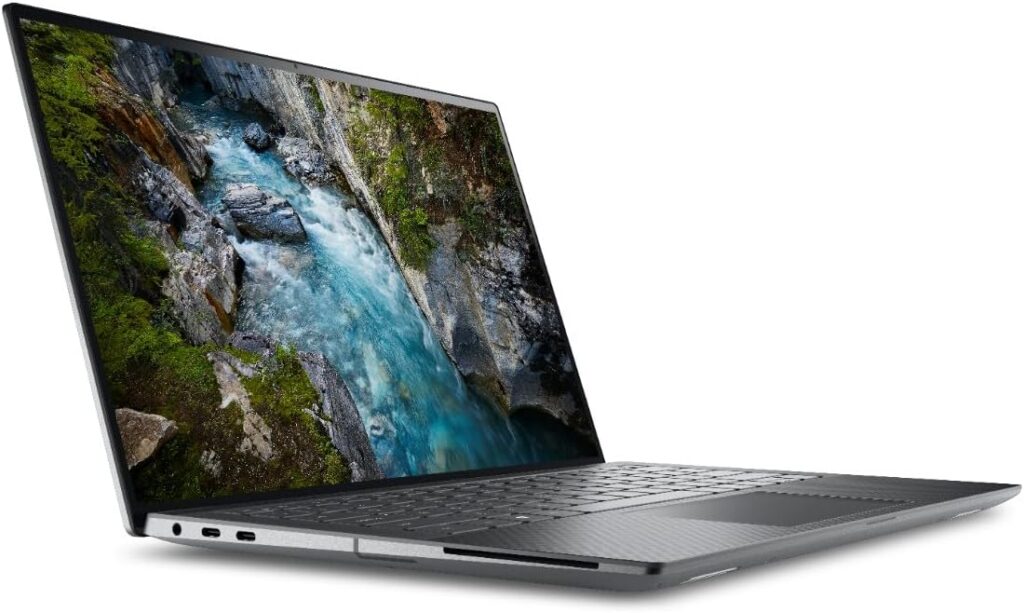
Best Overall Workstation Laptop for Abaqus
This is what engineers buy when performance matters more than thinness. Built specifically for CAD, FEA, and simulation workloads.
Key Specs
- Intel Core Ultra 9 / Xeon options
- Up to 128GB DDR5 RAM
- NVIDIA RTX Ada workstation GPUs
- 16″ high-resolution display
- Multiple NVMe slots
Pros
✔ Sustained high performance under load
✔ ISV-certified drivers
✔ Upgradeable RAM and storage
✔ Excellent cooling system
Cons
✘ Expensive at higher configs
✘ Not lightweight
Who is it for?
Professional engineers running large assemblies, nonlinear simulations, or daily production workloads.
2️⃣ Lenovo ThinkPad P1 Gen 7
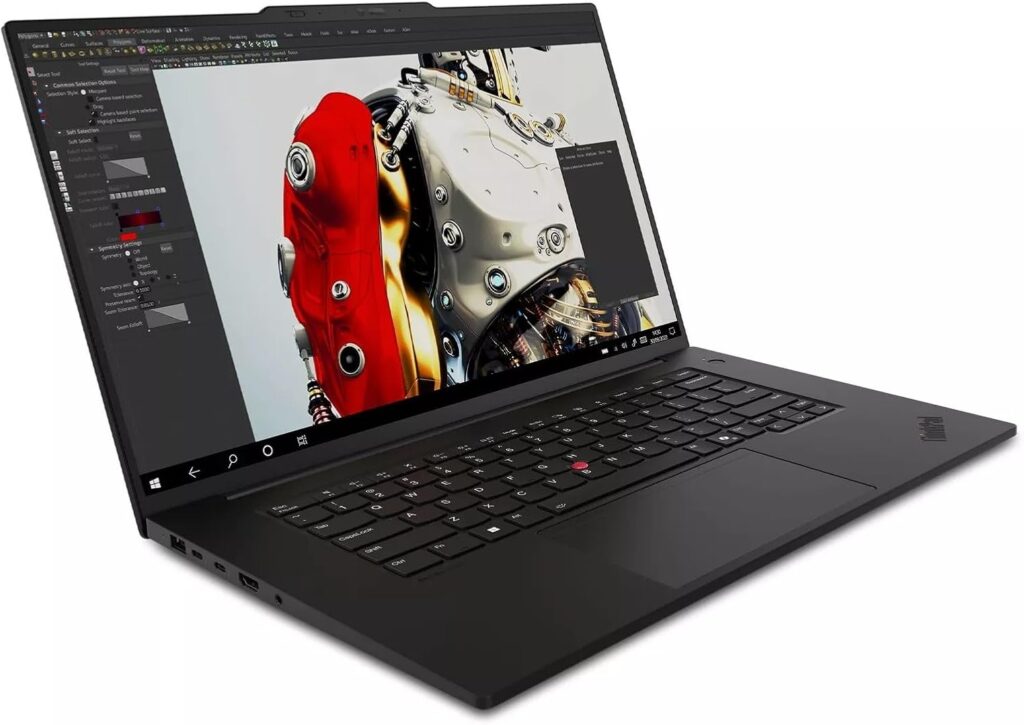
Best Balance of Power and Portability
The ThinkPad P1 has always been the sweet spot between workstation muscle and business-class mobility.
Key Specs
- Intel Core i9 HX series
- Up to 96GB DDR5 RAM
- RTX 4080 / RTX Ada options
- 16″ OLED display option
- MIL-STD durability
Pros
✔ Premium keyboard and build
✔ Strong thermal design
✔ Lighter than most workstations
✔ Gorgeous display for post-processing
Cons
✘ RAM ceiling lower than some competitors
✘ High-end configs get pricey
Who is it for?
Engineers who travel, consult, or present models frequently but still need serious simulation capability.
3️⃣ HP ZBook Fury 16 G11
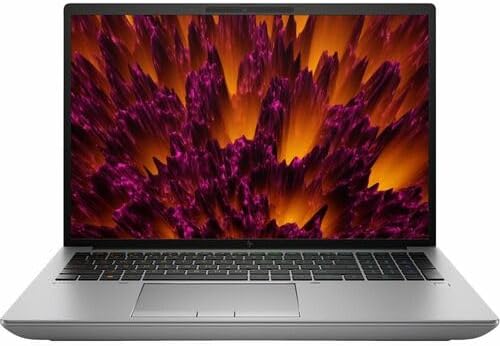
Best for Maximum Expandability
This machine is a beast. If you want desktop-class expandability in a laptop shell, this is it.
Key Specs
- Intel HX series processors
- Up to 128GB RAM
- RTX 5000 Ada workstation GPU
- Multiple SSD bays
- Tool-less service design
Pros
✔ Massive RAM support
✔ Excellent cooling for long batch jobs
✔ Built for engineering workloads
✔ Easy upgrades
Cons
✘ Heavy
✘ Battery life is average
Who is it for?
Power users running large finite element models locally without relying on remote servers.
4️⃣ ASUS ProArt Studiobook 16 OLED
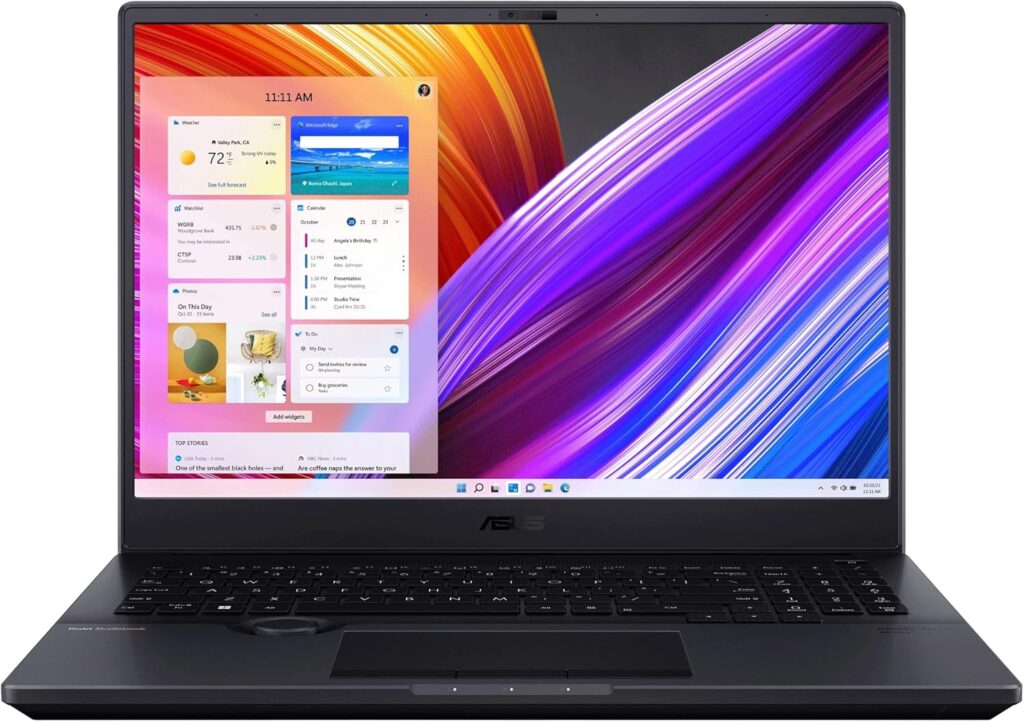
Best for Simulation + Visualization Work
If you do post-processing, rendering, or presentations alongside simulation, this one shines.
Key Specs
- AMD Ryzen 9 / Intel Core i9 options
- Up to 64GB RAM
- RTX 4070 / 4080
- 16″ 3.2K OLED display
- Excellent port selection
Pros
✔ Stunning display for result visualization
✔ Strong CPU performance
✔ Sleek design
✔ Good value compared to traditional workstations
Cons
✘ Not as expandable as enterprise workstations
✘ GPU drivers not ISV-certified like some workstation lines
Who is it for?
Engineers who mix simulation with rendering, visualization, or content work.
5️⃣ MSI Titan 18 HX
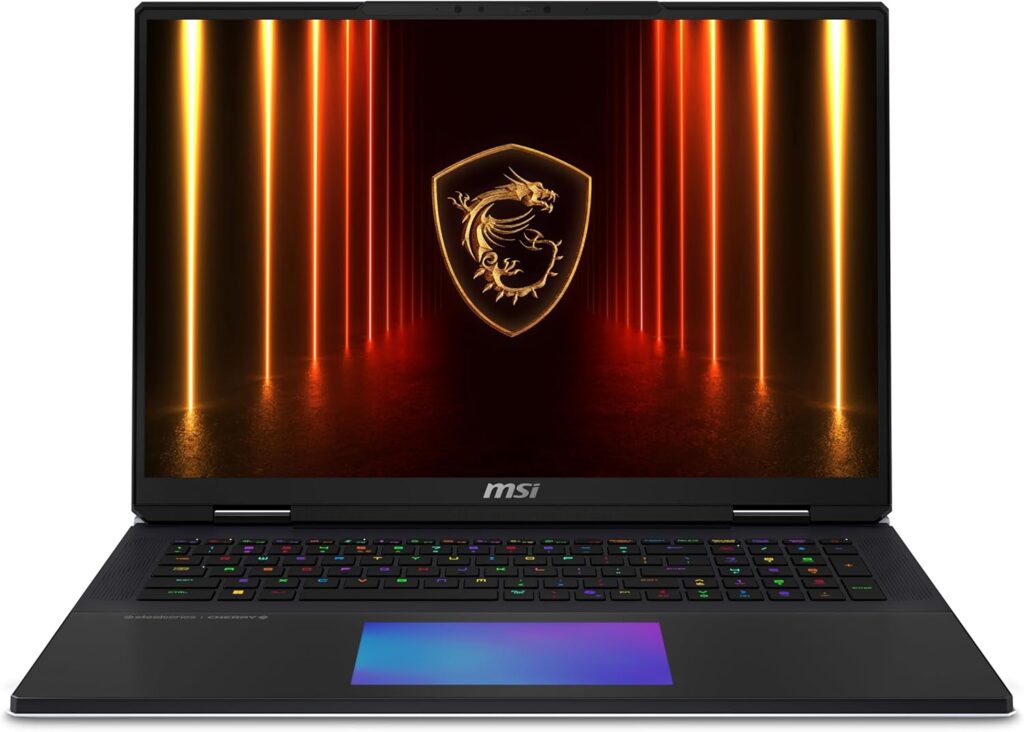
Best Desktop Replacement
If mobility isn’t your top concern and you want raw power, this thing is ridiculous—in a good way.
Key Specs
- Intel Core i9 HX
- Up to 128GB RAM
- RTX 4090 GPU
- 18″ large display
- Extreme cooling system
Pros
✔ amazing performance
✔ Handles parallel workloads well
✔ Excellent for GPU-heavy visualization
Cons
✘ Huge and heavy
✘ Very expensive
✘ Battery life is short
Who is it for?
Engineers who want near-desktop power in a portable (but not really portable) system.
6️⃣ Apple MacBook Pro 16
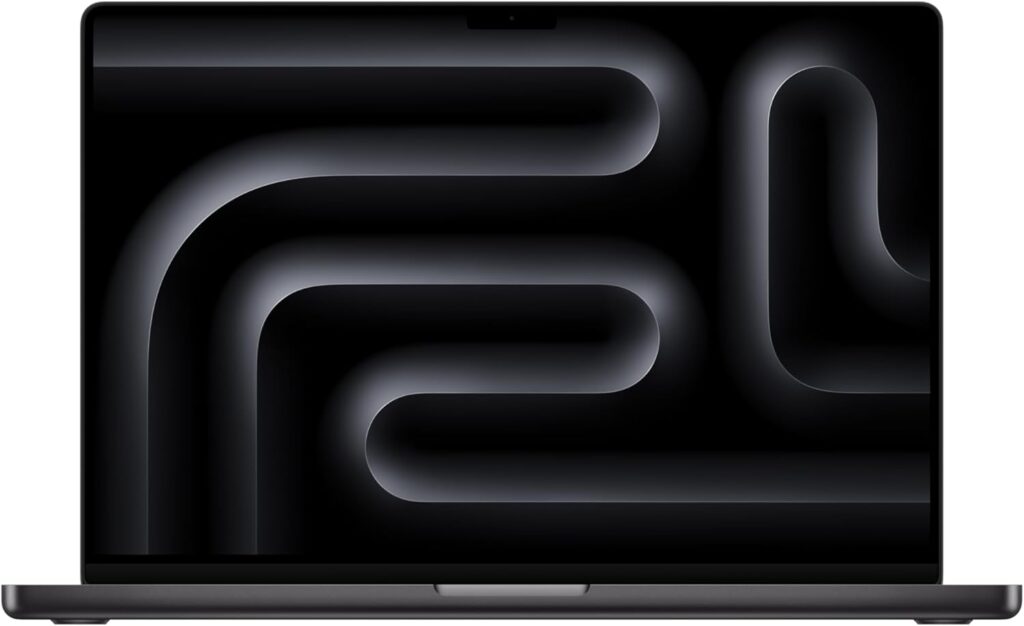
Best for Remote Workflow Users
Let’s be honest: Abaqus isn’t native-first on macOS. Most Mac users run simulations via Windows/Linux servers or virtualization.
Key Specs
- Apple M3 Max chip
- Up to 128GB unified memory
- Exceptional battery life
- Premium build quality
Pros
✔ Incredible efficiency
✔ Best battery life in class
✔ Quiet under load
Cons
✘ Limited native Abaqus compatibility
✘ Not ideal for heavy local simulation
Who is it for?
Engineers using remote HPC clusters or server-based solving environments.
CPU vs GPU: Where Should You Invest?
Abaqus relies primarily on:
- Strong single-core performance
- High core count for parallel jobs
- Large memory capacity
Brands like Intel and AMD both offer excellent processors in 2026. HX-series chips are ideal.
For GPU, NVIDIA RTX workstation cards offer driver stability, while consumer RTX GPUs provide great value if certified drivers aren’t critical for your workflow.
Recommended Configuration (Safe Bet Setup)
If you want a future-proof Abaqus laptop today:
- 16-core or higher HX processor
- 64GB RAM (upgradeable to 128GB)
- 2TB Gen4 NVMe SSD
- RTX 4080 or RTX Ada GPU
- 16-inch display minimum
This configuration comfortably handles medium-to-large models without constant resource bottlenecks.
Final Thoughts
Buying a laptop for Abaqus isn’t about flashy design or gaming RGB lights. It’s about sustained performance, memory capacity, and thermal stability.
If you’re a student, you can get away with 32GB RAM and a strong mid-range CPU.
If you’re a professional engineer running production simulations, don’t compromise. Invest once and save yourself years of frustration.
The safest long-term bet? A proper mobile workstation with upgradeable RAM and solid cooling.
Your simulations deserve it.
How to pick and prep a laptop for Abaqus?
Time needed: 5 minutes
- Choose a workstation-grade laptop
Pick a model with a strong CPU and at least 64GB RAM so your models run without constant swapping.
- Configure storage and cooling
Use a fast NVMe drive for scratch files and make sure the machine has a robust cooling system for long solves.
- Test and maintain regularly
Run a couple of representative jobs, monitor temps and memory usage, and update drivers so your setup stays reliable.
FAQs
Short answer: yes, but with caveats. Native support for macOS is limited, so most people either run Abaqus on a Windows/Linux partition, use a virtual machine, or connect to a remote server. If you want a smooth, hassle-free experience for big simulations, a Windows or Linux laptop (or remote HPC) is the safer route.
Start at 64GB if you’re doing real engineering work. 32GB can work for small student projects, but you’ll hit swap and wait times quickly on larger models. If your assemblies are huge, aim for 128GB or plan to upgrade later.
Abaqus is mainly CPU-first, but a good GPU helps with visualization and some accelerated solvers. Workstation GPUs (and their certified drivers) offer extra stability for pro workflows, but high-end gaming GPUs give great performance for a lower price—just be mindful of driver compatibility and long-term stability if you’re in a production environment.

Hi, my name is Burak. I am a mechanical engineer. I have been writing laptop reviews for the Engineering Laptops website since 2020. Please feel free to contact me if you have any questions.