Estimated reading time: 6 minutes
Key Takeaways
- Choosing a laptop involves many brands and models tailored to different needs and preferences.
- This guide reviews the top United States laptop brands, highlighting their strengths and ideal users.
- Apple, Dell, HP, Lenovo, ASUS, Acer, Microsoft, and Razer/MSI each cater to specific audiences and purposes.
- Key factors to consider include usage, brand strengths, and budget when selecting a laptop.
- The right laptop shouldn’t just look good; it should meet your specific needs effectively.
Table of contents
- Quick Brand Overview
- Apple: Simple, Reliable, and Polished
- Dell: Power and Professional Focus
- HP: Balanced and Widely Accessible
- Lenovo: Built for Work
- ASUS: Innovation Meets Value
- Acer: Smart Choice for Tight Budgets
- Microsoft: Clean and Portable
- Razer & MSI: Performance First
- How to Choose the Right Laptop Brand in the United States
- FAQs
- Final Thoughts
Choosing a laptop today isn’t as simple as it used to be. There are dozens of brands, hundreds of models, and endless opinions online. Some people want power, others want portability, and many just want a laptop that won’t slow them down after a year.
This guide focuses on the top laptop brands in the United States, breaking down what each brand is really good at, who they’re best for, and what you should realistically expect from them. No hype, no marketing talk—just practical insight based on how these laptops are actually used in daily life.
Quick Brand Overview
| Brand | Best For | What They Do Well | Things to Know |
|---|---|---|---|
| Apple | Creatives, everyday users | Build quality, battery life, stability | Higher prices, fewer ports |
| Dell | Professionals, businesses | Premium displays, performance options | Top models can be expensive |
| HP | General users, small businesses | Wide model range, solid value | Quality varies by series |
| Lenovo | Work, typing-heavy users | Excellent keyboards, durability | Conservative design |
| ASUS | Power users, gamers | Innovation, strong specs for price | Software can feel busy |
| Acer | Budget buyers, students | Affordable and accessible | Entry-level build quality |
| Microsoft | Portable productivity | Clean Windows experience, 2-in-1s | Limited model selection |
| Razer / MSI | Gaming & creative work | High-end performance, GPUs | Battery life is shorter |
Apple: Simple, Reliable, and Polished
Apple laptops are known for one thing: consistency. MacBooks feel solid, run smoothly, and age gracefully. Battery life is excellent, displays are among the best in the industry, and the trackpad is still hard to beat.
They aren’t cheap, and they’re not for everyone. But if you want a laptop that just works day after day—especially for creative work—Apple remains a strong choice.
Best for: Designers, video editors, writers, and users already in the Apple ecosystem.
Dell: Power and Professional Focus
Dell has something for almost everyone, but its real strength is in professional laptops. The XPS series is one of the most respected Windows laptops available, offering sharp displays, solid build quality, and powerful hardware options.
Dell also shines in business environments thanks to reliable support and long-term availability of replacement parts.
Best for: Professionals, developers, business users, and power users who want Windows.
HP: Balanced and Widely Accessible
HP covers a wide range—from affordable everyday laptops to premium business machines. Models like Spectre and EliteBook offer modern designs and practical features, while budget lines cater to students and home users.
HP laptops often strike a good balance between price and features, especially for people who want flexibility without overspending.
Best for: Students, office workers, and small business owners.
Lenovo: Built for Work
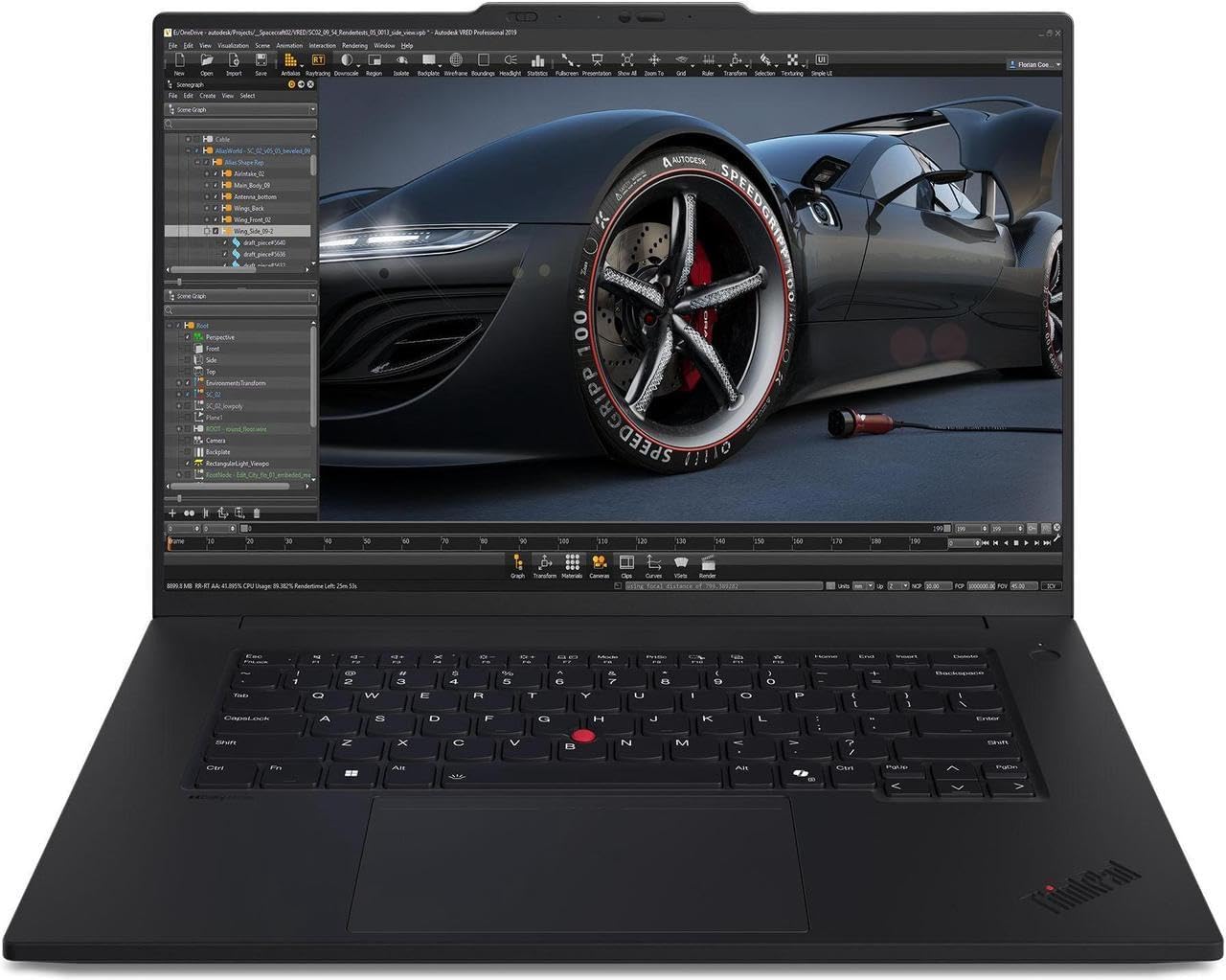
Lenovo’s reputation is built on reliability. The ThinkPad series is famous for its comfortable keyboards, durable construction, and no-nonsense design. These are laptops made to be used hard and carried daily.
While Lenovo also offers stylish consumer models, it’s their work-focused machines that truly stand out.
Best for: Business users, writers, programmers, and anyone who types a lot.
ASUS: Innovation Meets Value
ASUS is known for pushing boundaries. From ultra-thin laptops to high-powered gaming machines, the brand delivers impressive specs at competitive prices. The ZenBook line targets premium users, while ROG caters to gamers and creators who need serious performance.
ASUS laptops often feel ahead of the curve, especially in display and cooling technology.
Best for: Gamers, creators, and buyers who want strong performance for the price.
Acer: Smart Choice for Tight Budgets
Acer focuses on affordability. If you need a functional laptop for school, basic office work, or browsing, Acer offers plenty of options that get the job done without unnecessary extras.
Build quality may not match premium brands, but for the price, Acer often delivers solid value.
Best for: Students, first-time buyers, and budget-conscious users.
Microsoft: Clean and Portable
Microsoft’s Surface lineup blends laptop and tablet design beautifully. These devices feel light, modern, and tightly integrated with Windows. They’re especially popular among professionals who value portability and touch input.
The downside is limited customization and a higher price compared to similar hardware from other brands.
Best for: Mobile professionals, creatives, and fans of minimalist design.
Razer & MSI: Performance First
When raw power matters, Razer and MSI step in. These brands focus heavily on performance, especially for gaming, 3D work, and video editing. Expect powerful GPUs, fast processors, and advanced cooling systems.
The trade-off is battery life and portability, but for demanding tasks, these laptops deliver.
Best for: Gamers, streamers, 3D artists, and video professionals.
How to Choose the Right Laptop Brand in the United States
Time needed: 5 minutes
Choosing a laptop brand doesn’t have to be confusing. By focusing on how you actually use your laptop, you can quickly narrow down the brands that truly fit your needs and budget.
- Decide What You’ll Use the Laptop For
Think about your daily routine. Are you working, studying, editing videos, gaming, or just browsing the web?
Different brands shine in different areas, so knowing your main purpose makes everything easier from the start. - Match Your Needs with the Right Brand
Once you know your priority, look at brands that specialize in it.
Some brands focus on long battery life and clean design, while others prioritize performance, durability, or affordability. This step saves you from paying for features you’ll never use. - Compare Models Within Your Budget
After choosing a brand, compare a few models in your price range.
Check things like screen quality, memory, storage, and real-world battery life. A balanced laptop that fits your budget will serve you better than the most expensive option.
FAQs
Business-focused brands like Lenovo and Dell are known for durability, but proper care matters just as much as brand choice.
Not necessarily. Many mid-range laptops offer excellent performance for everyday tasks. Paying more usually means better materials, displays, or support.
Acer, HP, and Lenovo offer some of the best options for students, depending on budget and workload.
Final Thoughts
The best laptop brand isn’t the one with the loudest marketing—it’s the one that fits your life. Whether you’re editing videos, writing code, attending classes, or just browsing the web, there’s a brand that matches your needs and budget.
Use this guide as a starting point, then narrow your choice by looking at specific models. A well-chosen laptop should feel like a tool you trust, not something you constantly fight with.